
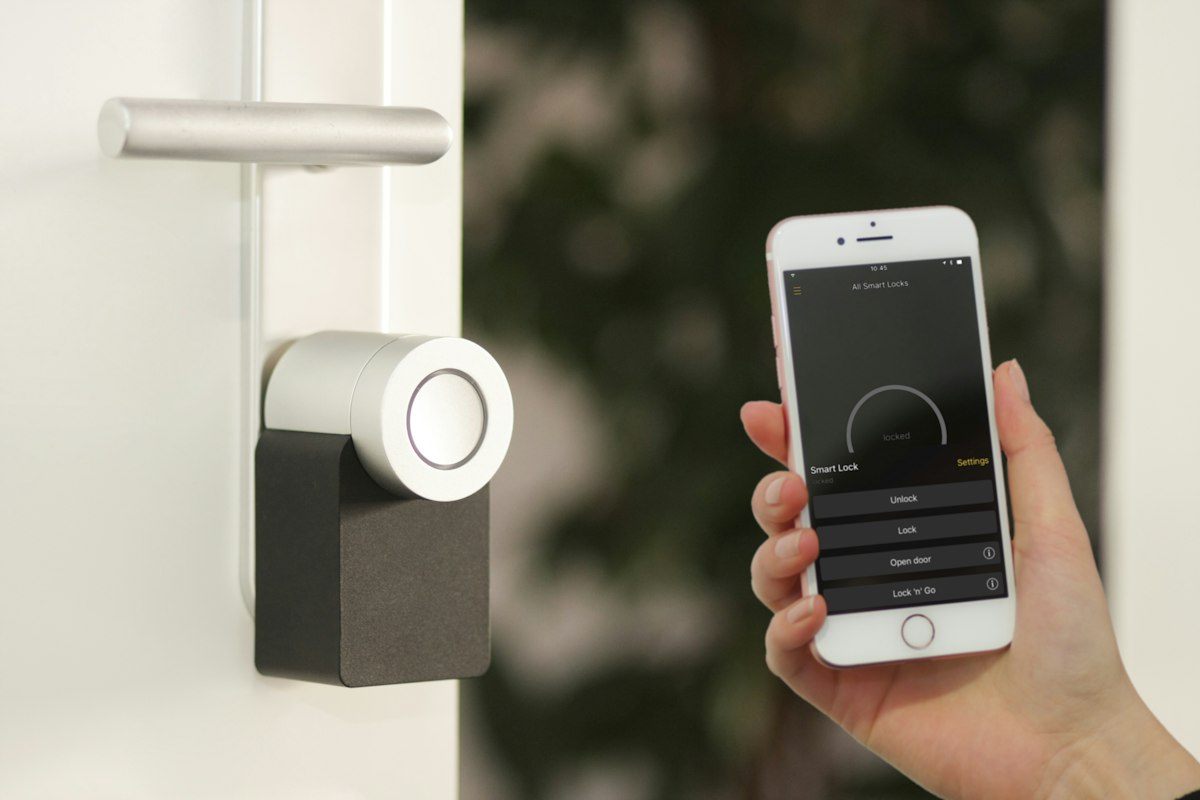
The early promise of the smart home was often defined by hyper-connectivity: dozens of wall-mounted touchscreens, flashing notification LEDs, and an overwhelming constellation of companion apps on our phones. Yet for design-conscious homeowners, that paradigm felt jarring. A home is a sanctuary meant for unwinding, tactile connection, and mental restoration—not a miniaturized server rack.
Today, a profound shift is underway: ambient, invisible smart home design. Rather than demanding human attention, modern habitat technology recedes entirely into the background, responding intuitively to presence, biological rhythms, and sunlight. When executed with architectural discipline, the most intelligent home feels entirely analog on the surface.
1. The Death of the Control Panel: Invisible Interfaces
The most sophisticated smart homes are no longer distinguishable from masterfully crafted architectural retreats. Instead of conspicuous control touchscreens and glowing plastic switches, interfaces are becoming hidden, tactile, and contextually aware.
Sub-Surface Touch Points
Capacitive sensing arrays can now be embedded directly beneath solid walnut kitchen islands, honed travertine nightstands, or limewash plaster walls. Marked only by subtle laser-etched micro-dots or brass inlays, a light tap dims the dining pendant while a slow swipe along the stone edge adjusts shade height. There are no plastic bezels to yellow over time and no harsh standby LEDs disrupting a dark room.
Presence Radar Over Optical Sensors
Privacy-first habitats have largely abandoned indoor cameras and jerky infrared motion detectors in favor of millimeter-wave (mmWave) micro-radar. Tucked invisibly behind drywall, acoustic felt, or linen wallcoverings, these low-power sensors register stillness, posture, and even respiration rates. Lights no longer blink off while you are absorbed in a novel, and heating zones gently taper down minutes after you leave the study—all without recording a single frame of optical video.
Contextual Automation
Rather than forcing residents to memorize rigid voice commands, ambient residences interpret environmental context. By fusing occupancy radar, ambient lux sensors, and gentle acoustic level monitors, the home distinguishes between an intimate dinner gathering, a focused morning writing session, and a quiet late-night walk to the kitchen.
“True luxury in technology is when it serves you effortlessly without ever demanding your conscious acknowledgement.” — Julian Mercer
2. Circadian Illumination as Architecture
Light is the primary biological conductor of human circadian health. Conventional indoor lighting flattens the natural day, bathing rooms in static, cool-spectrum glare long after dusk and suppressing endogenous melatonin production.
In the ambient habitat, multi-channel tunable LED architecture mirrors the dynamic arc of the sun while preserving high color fidelity (CRI 95+ and high R9 values for warm skin tones and natural timber):
- Dawn Awakening (2200K – 3000K): Warm, low-angle indirect rays gradually brighten across cove channels and sheer drapery, nudging morning cortisol into an alert, grounded baseline without jarring alarm sirens.
- Midday Cognitive Peak (4800K – 6000K): Crisp, diffuse, shadow-free sky illumination over deep-focus workstations and kitchen prep surfaces supports visual acuity and sustained alertness.
- Golden Hour Transition (2700K – 3000K): As outdoor lux drops, overhead fixtures fade out while warm accent lamps and wall washers take over, signaling the nervous system to decelerate.
- Sunset & Twilight (< 1800K): True amber and candlelight spectrums eliminate stimulating 480nm blue wavelengths entirely, allowing melatonin synthesis to begin naturally hours before sleep.
Equally critical is flicker-free dimming. Low-grade LED drivers use pulse-width modulation that induces subtle eye strain and neurological fatigue even when imperceptible to the naked eye. Specifying constant-current architectural drivers ensures that dimming down to 0.1% remains silky, silent, and biologically calm.
3. Acoustic Zoning & Biophilic Soundscapes
Smart habitat design treats the sonic atmosphere with the same rigor as physical joinery and textiles. Hard contemporary interiors—glass, polished concrete, and bare plaster—often amplify harsh reflections that elevate stress hormones.
Hidden exciter speakers mounted inside plaster ceilings or behind micro-perforated timber slats distribute diffuse, omnidirectional sound without visible black grilles or directional hotspots. Paired with natural acoustic absorbers such as wool rugs, heavy linen drapery, and lime-hemp wall finishes, the home achieves a hushed, library-like stillness.
Instead of abrasive synthetic chimes or robotic voice announcements, ambient residences employ subtle generative biophilic audio: distant rainfall during afternoon rainstorms, gentle pine forest wind to mask urban traffic, or warm low-frequency acoustic cues when a front gate opens.
4. Conventional Smart Home vs. Ambient Habitat
Understanding the architectural divergence between gadget-driven automation and calm habitat design helps clarify where to invest.
| Design Dimension | Conventional Gadget Smart Home | Ambient Human-Centric Habitat |
|---|---|---|
| Primary Interface | Wall tablets, smartphone apps, loud voice assistants | Sub-surface capacitive touch, tactile rotary dials, presence sensing |
| Lighting Strategy | Static smart bulbs with novelty RGB color scenes | High-CRI circadian cove & architectural lighting with flicker-free dimming |
| Occupancy Detection | Passive infrared (PIR) motion sensors & indoor cameras | Concealed mmWave radar preserving full visual privacy |
| Network Backbone | Proprietary cloud hubs with internet dependency | Local-first Thread, Zigbee, or KNX with millisecond offline response |
| Acoustic Profile | Visible plastic speakers & sharp notification chimes | Plaster-in invisible transducers & biophilic ambient soundscapes |
| Failure Mode | Unusable when Wi-Fi drops or vendor servers shut down | Graceful manual fallback via physical architectural switches |
5. A Four-Phase Implementation Blueprint
You do not need a ground-up build to transition toward an ambient habitat. A disciplined retrofit unfolds in four stages:
- Establish a Local-First Backbone: Deploy a local automation controller (such as Home Assistant on a silent fanless appliance) paired with a Thread/Zigbee coordinator. Commit to open standards like Matter so your home outlives any vendor’s cloud platform.
- Upgrade Lighting Layers First: Replace overhead glare with indirect light sources. Install circadian-capable fixtures in bedrooms and living rooms, programming adaptive Kelvin curves tied to solar elevation.
- Introduce Concealed Presence & Climate Logic: Place discrete mmWave sensors in corridors, bathrooms, and studies. Link them to automated shading and zoned HVAC schedules so comfort anticipates arrival without thermostat fiddling.
- Refine Tactile & Acoustic Details: Swap plastic wall plates for brushed bronze, ceramic, or knurled aluminum dimmers. Conceal routers inside ventilated millwork and mask stray standby LEDs in sleeping quarters.
6. Common Mistakes That Undermine Calm Design
Watch out for these frequent missteps:
- Over-Automating Without Manual Overrides: If a guest cannot turn off a bedside lamp without a wake word, the system has failed. Preserve effortless physical control.
- Mixing Color Temperatures Within One Sightline: Pairing a 2700K lamp with a 4000K downlight creates visual dissonance. Standardize Kelvin ranges and CRI ratings across connected rooms.
- Ignoring Indicator LED Bleed: Tiny blue and green status lights on smart plugs and hubs disrupt nocturnal circadian signaling. Audit every room in total darkness.
- Relying on Cloud-Only Ecosystems: Even a two-second delay entering a hallway breaks the illusion of intuition. Keep core lighting and climate triggers strictly local.
Key Takeaways
- Hide the silicon, celebrate the craft: Let natural materials—oak, travertine, linen, and brass—remain the visual focus while sensors and transducers disappear into the architecture.
- Align illumination with biology: Prioritize high-CRI, flicker-free circadian transitions over novelty color-changing gimmicks.
- Protect privacy by design: Choose local-first networks and mmWave presence radar over cloud cameras and always-listening microphones.
- Design for graceful silence: The highest benchmark of an intelligent home is not how many features it advertises, but how deeply it helps your nervous system exhale the moment you cross the threshold.
Designing an intelligent habitat is ultimately an exercise in restraint. When technology recedes into light, warmth, and quiet responsiveness, your home stops competing for your attention and begins restoring it.