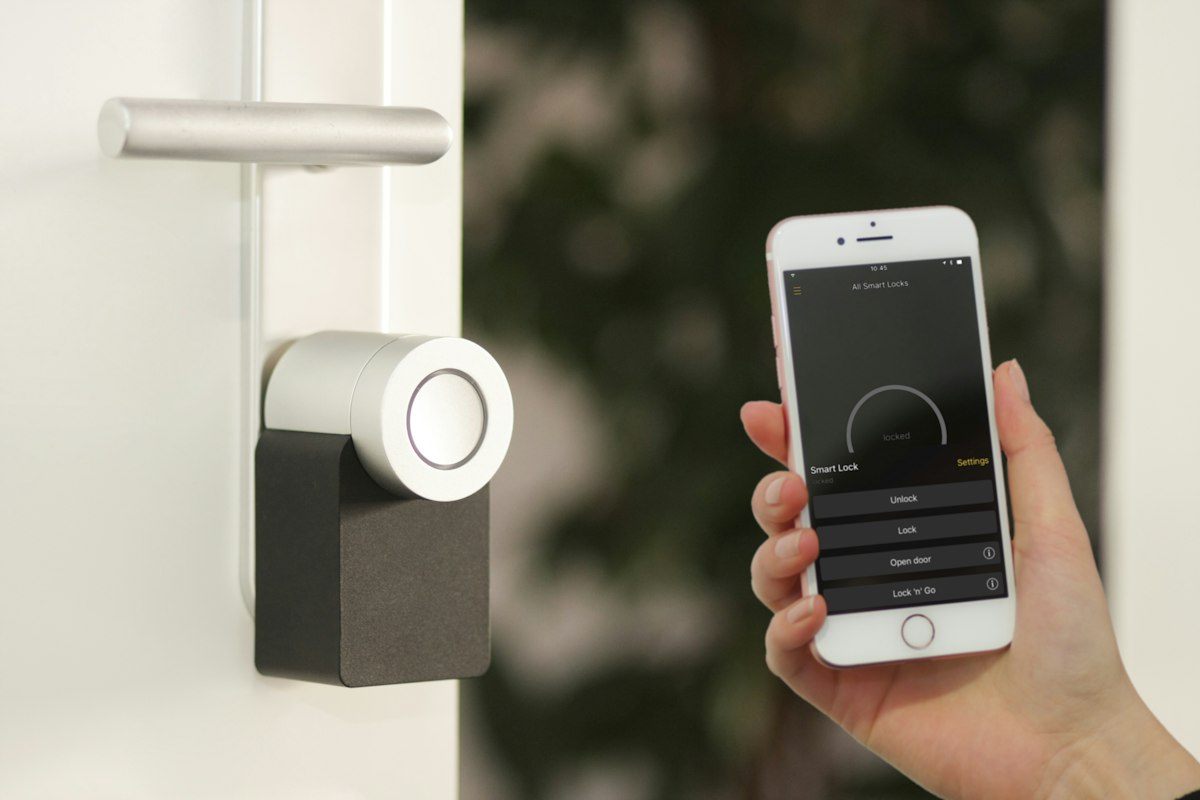

Look around any airport lounge, neighborhood café, or contemporary living room, and the dominant architectural feature is depressingly uniform: dark, glossy rectangles of glass waiting to hijack your gaze. Over the last two decades, our physical interiors have quietly become subservient to backlit screens—from oversized televisions dominating hearth walls to glowing smart displays perched beside espresso machines.
Yet inside visionary residential projects across Kyoto, Zurich, and Stockholm, a deliberate counter-movement is taking hold: Calm Ambient Computing. Architects, industrial designers, and human-factors researchers are collaborating to dissolve the glowing rectangle, returning domestic space to texture, shadow, and quiet peripheral awareness.
What Is Calm Technology?
First articulated by Xerox PARC visionaries Mark Weiser and John Seely Brown in the 1990s, calm technology rests on a deceptively simple premise: computing should inform without demanding our primary center of attention.
Human perception operates across two distinct channels—focal attention (narrow, effortful, easily fatigued) and peripheral awareness (broad, effortless, deeply calming). Think of the way you notice rain tapping against a windowpane or the shifting afternoon sun across an oak floor: you register the information instantaneously without breaking your train of thought. Modern screens violate this biology by dragging every trivial status update directly into focal attention.
+---------------------------------------------------------+
|                  THE ATTENTION SPECTRUM                 |
|                                                         |
|  [Intrusive Screen]  <--->  [Ambient Notification]      |
|   Demands Gaze               Soft Glow / Haptic Cue     |
|   Spikes Cortisol            Recedes Effortlessly       |
+---------------------------------------------------------+
When home technology retreats into the periphery, your nervous system settles. You remain anchored in your physical posture, your immediate conversation, and the natural light of the room.
The Hardware Pillars of the Screenless Home
Replacing glowing glass does not mean surrendering modern convenience. Three mature hardware categories now deliver rich situational awareness with almost zero visual noise.
1. Color E-Paper & Zero-Emissive Canvases
Unlike OLED or MicroLED displays that project direct photons into your optic nerve, reflective e-paper behaves like ink on archival cotton paper. It reflects natural room light, casts zero nighttime glow, and consumes electricity only during the brief second an image refreshes. Mounted inside a custom-milled white oak or blackened steel frame, an ambient e-paper canvas can display rotating architectural drawings, minimalist weather barometers, indoor air-quality readings, or upcoming train departures—disappearing completely into the wall when night falls.
2. Tactile Physical Anchors
Unlocking a smartphone merely to dim a reading lamp or start an evening playlist is an invitation to fall down a twenty-minute algorithmic rabbit hole. Physical NFC-enabled anchors and rotary controls sever that friction entirely. Resting a honed river stone or walnut token onto a leather desk pad triggers your Deep Work scene—muting notifications, closing motorized linen shades, and activating acoustic masking. Turning a weighted brass dial on the bookshelf adjusts room warmth by muscle memory alone.
3. Spatial Audio Whispers & Tactile Light Cues
Directional ultrasonic audio emitters and concealed ceiling transducers create precise acoustic micro-zones. A gentle morning weather briefing can be softly audible while you pour coffee at the kitchen counter, leaving the adjacent reading chair completely silent. Similarly, subtle peripheral light cues—such as a warm amber pulse along an entryway baseboard ten minutes before a scheduled departure—communicate urgency without a single jarring buzzer or screen pop-up.
“The measure of civilized technology is not how brilliantly it shines in the dark, but how gracefully it lets the room breathe in silence.” — Julian Mercer
Emissive Screens vs. Ambient Surfaces
Evaluating every device in your living space against calm-design criteria quickly reveals which objects elevate serenity and which quietly tax your attention.
| Experience Metric | Backlit Emissive Displays | Calm Ambient Surfaces |
|---|---|---|
| Light Behavior | Projects direct blue-rich photons into the eye | Reflects natural room light; darkens with sunset |
| Refresh Cadence | Constant 60–120Hz motion inviting visual fixation | Deliberate, slow updates (every 15–60 minutes) |
| Cognitive Load | Pulls user into focal attention and app switching | Registers effortlessly in peripheral awareness |
| Material Presence | Glossy black plastic and fingerprint-prone glass | Matte paper texture, timber, stone, and brushed metal |
| Power Profile | Continuous draw and thermal heat dissipation | Ultra-low power; months of battery life on e-paper |
| Room Aesthetics | Dominates walls as a black void when powered off | Integrates seamlessly as art or architectural joinery |
A 4-Step Room-by-Room Screen Detox
Transitioning toward an ambient interior is most effective when approached spatially rather than gadget by gadget.
- Audit Your Sightlines at Dusk: Sit in each primary room thirty minutes after sunset with overhead lights dimmed. Count every glowing screen, clock readout, router LED, and smart-speaker light ring visible from your seating position. Anything that emits uninvited light becomes a candidate for removal or concealment.
- Replace One Hub Screen With an E-Paper Surface: Start in the entryway or kitchen—the logistical crossroads of the home. Swap a wall-mounted tablet for a framed reflective e-paper display showing only three calm data points: local weather curve, today’s key appointments, and indoor air quality.
- Introduce Three Tactile Scene Triggers: Create dedicated physical shortcuts for your three most repeated daily transitions: Morning Awakening, Deep Focus, and Evening Wind-Down. Use matte wireless rotary switches or NFC-embedded wooden tokens so you never need to touch your phone to shift the mood of your home.
- Reclaim the Focal Wall: If you rarely watch broadcast television, consider replacing a permanent living-room screen with a concealed short-throw laser projector hidden inside a credenza, paired with a motorized acoustic screen that vanishes completely when not in use.
Common Mistakes When Designing Screenless Spaces
Pursuing calm computing requires discipline; otherwise, subtle friction creeps back in:
- Turning E-Paper Into a Cluttered Dashboard: Jamming fifteen weather widgets, stock prices, and unread email counts onto an e-ink frame recreates screen anxiety in monochrome. Embrace generous whitespace and limit each frame to two or three slow-moving metrics.
- Over-Relying on Voice Assistants: Speaking robotic wake words out loud breaks conversational intimacy and feels clumsy when others are sleeping. Reserve voice for hands-dirty kitchen timers; use tactile switches and presence logic for everything else.
- Ignoring Material Harmony: Mounting a white plastic sensor onto a hand-troweled limewash wall draws immediate visual attention. Paintable flush mounts, natural wood enclosures, and recessed placements keep hardware truly invisible.
- Automating Too Aggressively: Sudden light shifts or unexpected audio prompts startle the nervous system. Program slow, three-to-five-second fade curves so every environmental transition feels organic.
Reclaiming the Visual Landscape of Home
- Prioritize peripheral calm: Design interfaces that whisper context rather than shouting for clicks.
- Choose reflective over emissive: Let sunlight and warm architectural lamps illuminate your information surfaces.
- Anchor habits in touch: Use stone, wood, and metal tokens to trigger digital states without opening a phone.
- Protect domestic stillness: Treat visual silence with the same reverence as acoustic quiet.
Our physical habitats continuously sculpt our cognitive peace. By substituting loud, high-refresh glass rectangles with calm, textural ambient surfaces, we transform our living quarters from relentless command centers back into genuine havens of human renewal.