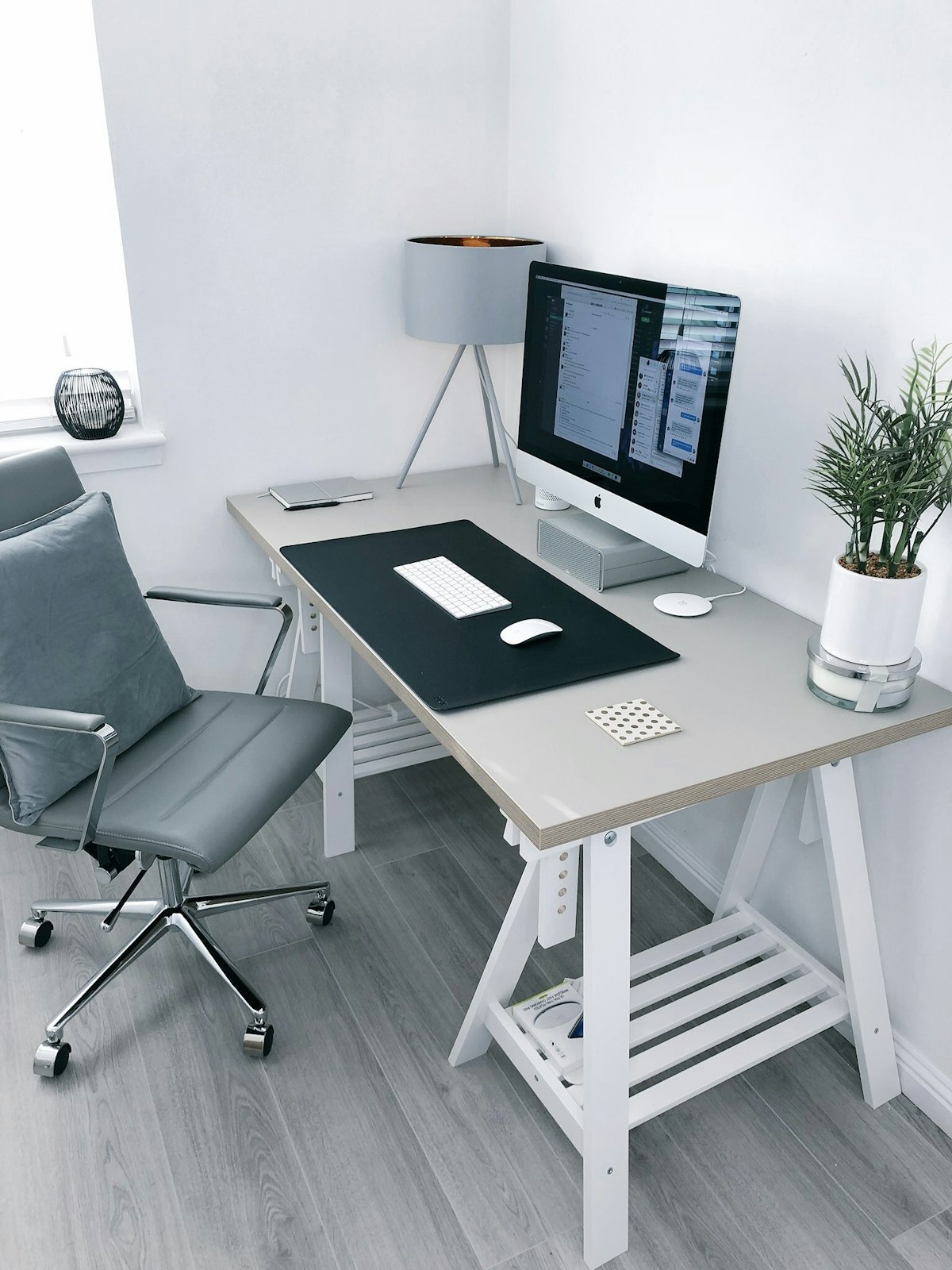

In an economy increasingly saturated by fragmented attention, hyper-active chat channels, and algorithmic pings, the capacity to perform deep work—concentrating without distraction on a cognitively demanding craft—has become both extraordinarily rare and supremely valuable.
Most modern knowledge workers spend their waking hours trapped in a state of continuous partial attention: answering messages while drafting strategic proposals, glancing at headlines between code commits, and attending back-to-back status calls. Cognitive science calls the resulting neurological drag attention residue. Every time you pivot briefly to check a notification, fragments of your working memory remain stuck on that trivial micro-task for twenty minutes or more, quietly crippling your capacity for original breakthrough insight.
The Rule of the Four-Hour Biological Cap
A persistent myth of hustle culture equates longer desk hours with greater creative output. Yet both historical biography and contemporary cognitive neuroscience converge on a far more disciplined truth: even the most prolific thinkers—from Charles Darwin and Henri Poincaré to modern master architects and novelists—rarely sustain more than four hours of true deep work per day.
Beyond that neurological ceiling, prefrontal cortex fatigue accelerates rapidly, decision quality erodes, and busywork masquerades as progress. The objective is never to endure twelve-hour days of low-grade exhaustion; the objective is to architect four hours so concentrated, pure, and structurally protected that they produce more enduring value than an entire week of frantic, fragmented effort.
Architecting the Monastic Block
Willpower is a finite, unreliable resource—especially against software engineered by behavioral psychologists to fracture your focus. Protecting a monastic block requires environmental and structural architecture, not heroic self-control.
1. Chronobiological Alignment
Schedule your deep block during your peak biological alertness window rather than surrendering your sharpest hours to inbox triage. For morning chronotypes, this typically spans 8:30 AM to 12:30 PM, when natural cortisol and cognitive clarity crest. Night-leaning chronotypes should guard an equivalent evening sanctuary once household and workplace chatter subsides.
2. Hard Physical Air-Gapping
Placing a smartphone face-down on your desk still measurably reduces available cognitive capacity; part of your brain continuously expends energy resisting the urge to check it. Move your phone into another room behind a closed door. On your workstation, use hardware network disconnect switches or strict site blockers (such as Cold Turkey or Freedom) to sever browser access entirely whenever your task does not require live research.
3. The Single Intention Card
Ambiguity is the primary trigger for procrastination. The evening prior—or five minutes before your session begins—write exactly one concrete deliverable on an analog index card: “Draft and tighten sections 3 and 4 of the architectural treatise.” Place the card beside your keyboard. Every other idea, errand, or stray curiosity that surfaces during the block is jotted onto a secondary scratch pad and ignored until 12:30 PM.
+-----------------------------------------------------------+
|             THE MONASTIC DEEP WORK TIMELINE               |
|                                                           |
| 08:30 AM | Somatic reset, espresso, single index card set |
| 08:45 AM | DEEP BLOCK PART I: Synthesis & Drafting        |
| 10:15 AM | 15-min sensory walk (Zero screens/audio)       |
| 10:30 AM | DEEP BLOCK PART II: Execution & Refinement     |
| 12:30 PM | Hard stop. Deep work concluded for the day.    |
+-----------------------------------------------------------+
Shallow Multitasking vs. Monastic Deep Architecture
Comparing the daily mechanics of a reactive workday against a structured monastic rhythm clarifies why output diverges so dramatically.
| Operational Dimension | Fragmented Shallow Workday | Monastic Deep Work Architecture |
|---|---|---|
| Morning Opening | Inbox triage, Slack scanning, news headlines | Immediate entry into pre-defined single deliverable |
| Device Environment | Phone on desk; 20+ browser tabs & live alerts | Phone in separate room; single full-screen window |
| Session Structure | Reactive 10–15 minute sprints between pings | Two paired 90–105 minute blocks with analog break |
| Break Protocol | Scrolling social feeds or checking personal email | Screen-free daylight walk or quiet stretching |
| Communication Rhythm | Continuous synchronous availability all day | Batched afternoon response windows (1:30 PM & 4:30 PM) |
| Evening Shutdown | Lingering mental tension and half-finished loops | Clean closure ritual with next day’s index card written |
The Sensory Transition Ritual
Entering deep cognitive immersion resembles deep-sea diving: you cannot drop straight from surface turbulence to depth without a deliberate decompression sequence. Consistent sensory anchors train your nervous system to cross the threshold into flow within minutes:
- Acoustic Anchor: Pair your block with a single non-lyrical sonic cue—a 40Hz focus soundscape, soft brown noise, or one familiar ambient album played on quiet loop (such as Brian Eno’s Music for Airports or Max Richter’s minimalist compositions). Reserve this audio exclusively for deep work so the brain links it instantly to immersion.
- Olfactory Cue: Light a stick of Hinoki cedar, Japanese sandalwood, or vetiver incense at the start of the session. Because the olfactory bulb connects directly to the limbic system, a dedicated scent accelerates state-dependent focus within weeks.
- Spatial Lighting: Shift your desk lamp to crisp, focused task illumination while keeping peripheral room lighting softer. A clear physical boundary of light narrows visual distraction.
- The Clean Shutdown: At 12:30 PM, close your notebook, extinguish the incense, and speak or write a brief shutdown phrase. Marking the end of deep work prevents low-grade cognitive rumination from leaking into your afternoon and evening.
“To produce work that touches eternity, you must temporarily withdraw yourself from the trivial chatter of the present hour.” — Julian Mercer
Common Mistakes That Sabotage Deep Work
Even disciplined professionals routinely undermine their focus blocks through subtle operational leaks:
- Checking Email “Just Once” Before Starting: One provocative or urgent message at 8:15 AM hijacks your amygdala and ruins the next three hours. Never open communication channels until your primary deep block is complete.
- Confusing Research With Execution: Leaving a web browser open to “look up one quick fact” almost always spirals into ten tabs of tangential reading. Insert bracketed placeholders like
[VERIFY STAT]while drafting and batch all online verification into an afternoon research block. - Ignoring Physical Recovery: Deep focus is metabolically expensive. Attempting four-hour blocks on five hours of sleep, chronic dehydration, or heavy midday glucose spikes produces brittle frustration rather than flow.
- Failing to Defend the Calendar Socially: If your calendar shows open white space, others will fill it with low-leverage meetings. Mark your monastic window as recurring, non-negotiable studio time.
Key Takeaways for Building Focus Mastery
- Respect the 4-hour ceiling: Aim for surgical intensity over performative exhaustion.
- Design friction against distraction: Remove the phone from the room and lock down the browser before willpower is tested.
- Commit to one analog card: Clarity of intent eliminates the hesitation that invites procrastination.
- Guard the mid-block rest: Take a completely screen-free sensory walk between segments so subconscious insight can crystallize.
In a noisy century, unbroken attention is the ultimate creative moat. Guard four quiet hours every morning with architectural rigor, and the compounding weight of your craft will speak for itself.